










Researchers from medical centers across the U.S. collaborated to study the detrimental effects of increased usage of the drug acetaminophen, also known by its brand name Tylenol. Acetaminophen is an ingredient of several over-the-counter products used to relieve cold symptoms and pain such as Excedrin®, Midol Teen Formula®, Theraflu®, Alka-Seltzer Plus Cold Medicine® and NyQuil Cold and Flu®. Acetaminophen is also found in prescription narcotics such as Vicodin® and Percocet®, often used to alleviate pain following surgery or injury. Although these products are helpful to many patients, many in the medical community are concerned that the profusion of the drug is resulting in inadvertently high dosing and subsequent poisoning. Exacerbating the problem is the fact that amounts of the drug used in over-the-counter products vary greatly, that some of the prescription products are potentially addictive and that they are often used in combination.
Study findings have shown that these poisonings often damage the liver. Researchers monitored 662 consecutive patients with acute liver failure at 23 transplant centers from 1998-2003. The number of cases linked to acetaminophen poisoning rose from 28% in 1998, to 51% in 2003. Tim Davern, MD is one of the authors of the study and a gastroenterologist with the liver transplant program at the University of California at San Francisco. “It’s extremely frustrating to see people come into the hospital who felt fine several days ago but now need a new liver. Most had no idea that what they were taking could have that sort of effect,” said Dr. Davern.
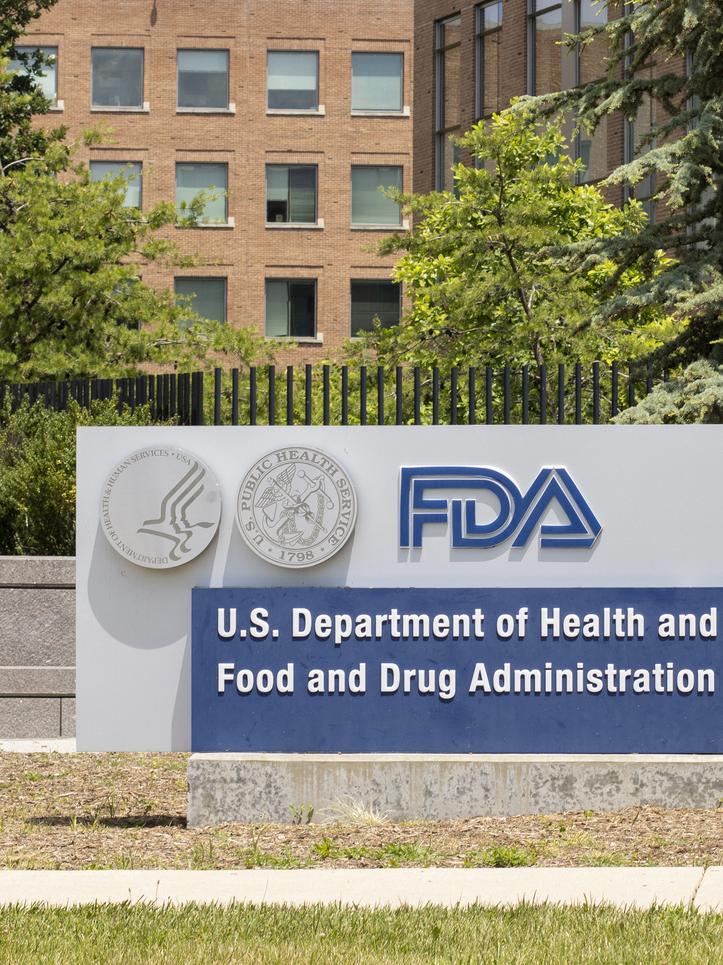
Clear and prominent labeling of products containing acetaminophen has been advocated by professionals such as William Lee, MD, a liver specialist at the University of Texas Southwestern Medical Center. Although some companies have already added warning labels to their products, Dr. Lee has been lobbying the U.S. Food and Drug Administration to require acetaminophen labels to help reduce the number of overdoses.
The study results appear in the December issue of the journal Hepatology.
Source: The New York Times, November 29, 2005