










As summer draws near, fear of West Nile Virus (WNV) becomes heightened. During the last week of May, both Arizona and New Mexico reported the country’s first human cases of the mosquito-borne illness, and officials in Southern California have found 157 birds that had been killed by the disease. Evidence of the disease was also found in a horse in Virginia and in a pool of mosquitoes in Indiana. A health official in Arizona noted that this is early in the year to be seeing patients sick with WNV, which means this season will be longer.
In March 2004, the Centers for Disease Control and Prevention (CDC) quelled many fears when it announced that up to 1,033 blood donors carrying a West Nile infection were identified through a screening process for the virus from late June through November 2003. The screening test has helped health officials map the spread of the disease. A CDC official told attendees, "The entire blood community went from the identification of a problem in the blood supply to the development and implementation of a solution nationwide within a year."
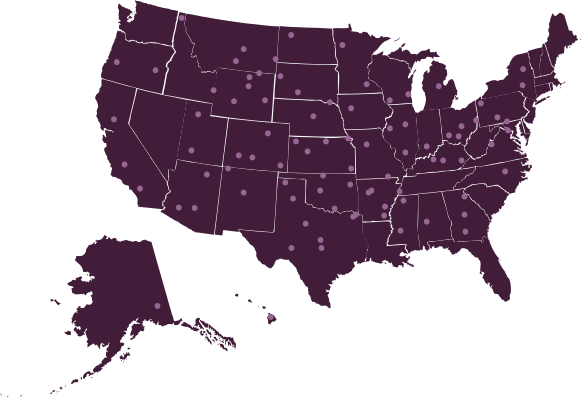
CDC recently launched a mapping program for the 2004 WNV season that tracks cases in the US by geographic region using US Geological Survey technology. The Web site shows the number and location of cases reported to state health departments of human, avian, mosquito sentinel animal and veterinary WNV. The site can be accessed at: westnilemaps.usgs.gov/index.html.
On a research note, recently in Great Britain, an experimental vaccine against WNV was the first to successfully produce antibodies in 15 human subjects in a small preliminary trial. If future tests show this vaccine to be safe and effective, it could be available to the public in 2007.
Click here for additional information about WNV from the CDC: http://www.cdc.gov/ncidod/dvbid/westnile/.
Sources: America’s Blood Center’s Newsletter and ProMED Mail.